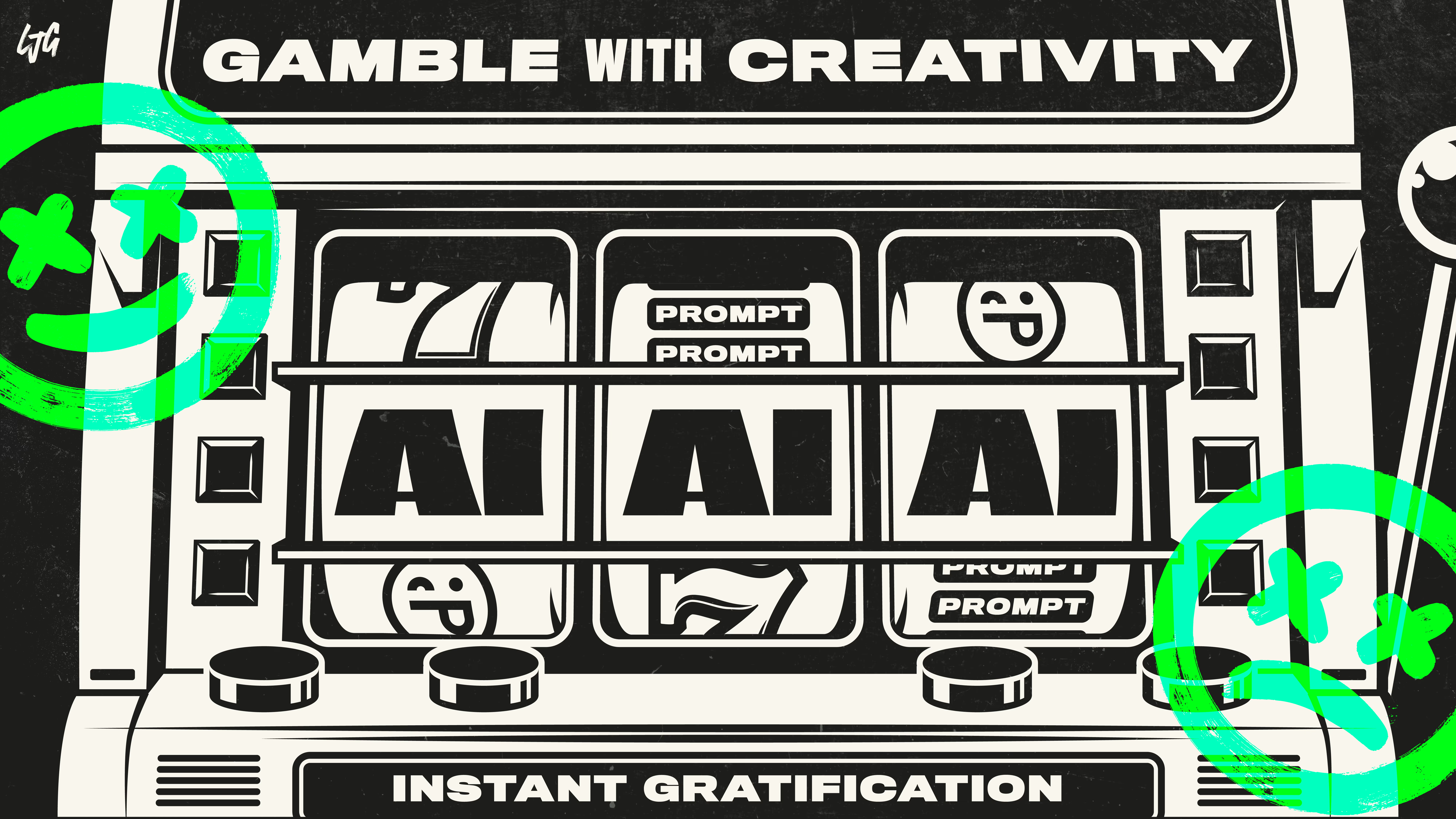
The Malaise of the Middle: Why Playing Safe is Bad for Business
At our New York studio, we joined forces with The Marketing Society for an Uncomfortable Breakfast exploring The Malaise of the Middle — and why playing it safe might be the riskiest move a brand can make.
Are you a folder or a scruncher? For the uninitiated, we're talking toilet paper. And according to our Founder and CEO, Gush Mundae, you're firmly one or the other. There's no middle ground.
As surprising as it sounds, it could not have been a more effective way to capture one of the provocations at the heart of our Uncomfortable Breakfast, hosted in partnership with The Marketing Society at our New York studio.
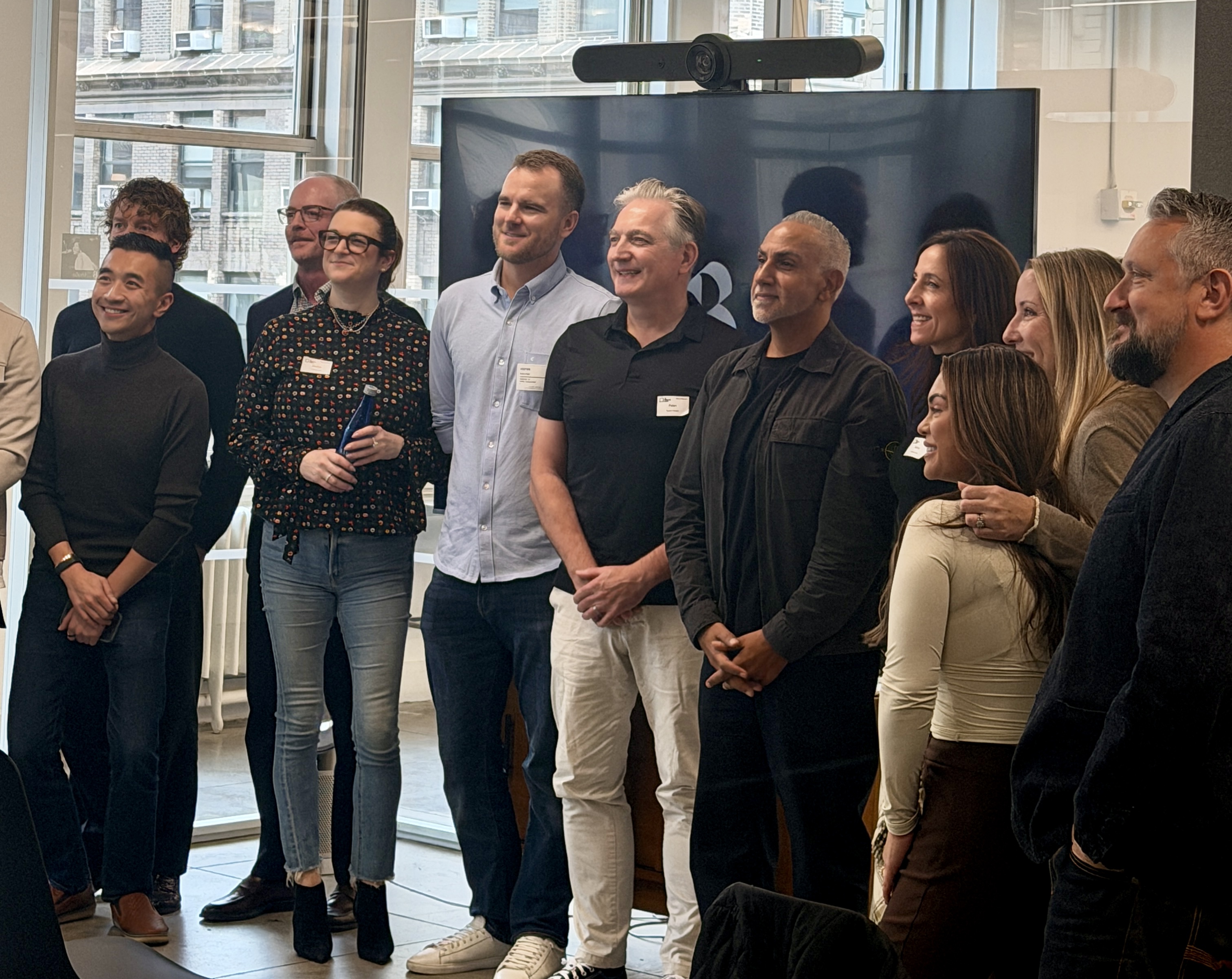
Bringing together brand and marketing leaders, we tackled a question that's becoming increasingly difficult to ignore: in a world with more data, technology and consumer insight than ever before, why do so many brands still look and sound the same?
We call it The Malaise of the Middle: a creeping culture of conformity that's seeing brands increasingly retreat into the perceived safety of the middle. A space where conventions are followed rather than challenged, predictability is rewarded and originality is stifled, leaving brands looking, feeling and behaving more and more alike.
And it's not just a branding problem. It's a wider cultural phenomenon shaping what we see, consume, create and experience. More content, more choice, more noise. Yet less that genuinely moves us. And the thing is, we didn't get here by accident. There’s a lot of money in the middle, and powerful forces keeping us there. In our pursuit of certainty and efficiency, we’ve created a world that rewards the familiar over the unexpected. One where data can replace instinct, consensus overrides conviction and optimisation comes at the expense of imagination. Add the fear of getting it wrong in an increasingly unforgiving world, where brands like Cracker Barrel have faced fierce backlash for attempting change, and playing it safe can start to feel like the only sensible option.
But here's the irony. According to PwC, 45% of global CEOs don’t believe their businesses will be viable in ten years if they continue on their current path. At a time when businesses desperately need to reinvent themselves, we're retreating into the very behaviours holding them back. When everyone follows the same playbook, everyone starts looking the same. And in a world where attention is increasingly difficult and expensive to earn, blending in comes at a cost.
As Gush argued, the least safe thing a brand can do is play it safe.
The conversation surfaced three key things:
- Distinctiveness isn't optional. If consumers can't distinguish or remember you, why would they choose you?
- Playing it safe is often the biggest risk. Following conventions might feel reassuring, but it rarely creates competitive advantage and leaves the door open for others to disrupt your category.
- Trying to appeal to everyone can mean connecting with no one. The strongest brands make deliberate choices about what they stand for and who they're for.
The middle isn't just where creativity goes to die. It's where we've been conditioned to stay. And the longer we stay, the harder it becomes to break free.
Three Ways to Escape the Middle
We've become so focused on giving consumers what they already know they want that we've forgotten how to create something they never knew they could desire. But creating desire doesn't mean disrupting everything.
The strongest brands understand what makes them desirable in the first place. They protect what makes them distinctive, while having the courage to challenge the conventions holding them back. It's a delicate balance. Push too far and you risk alienating your audience. Play it too safe and you risk becoming irrelevant.
The opportunity lies in knowing what to protect and what to disrupt. Finding the sweet spot between consistency and change. And disruption doesn't have to mean tearing everything up.
At Bulletproof, we believe there are three powerful routes to breaking free from the middle commercial, creative and cultural disruption.
Each offers a different way to challenge convention, build distinctiveness, create desire and unlock growth. The challenge is knowing which will make the greatest difference for your brand.
1. Commercial disruption: Rethink how value is created
Commercial disruption challenges the established rules of a category, finding new ways to create value, drive choice and unlock growth.
Take Toblerone. By embracing its most distinctive asset — its triangular shape — we helped the brand move beyond its traditional associations with airports and gifting, creating new opportunities for self-expression and everyday enjoyment.
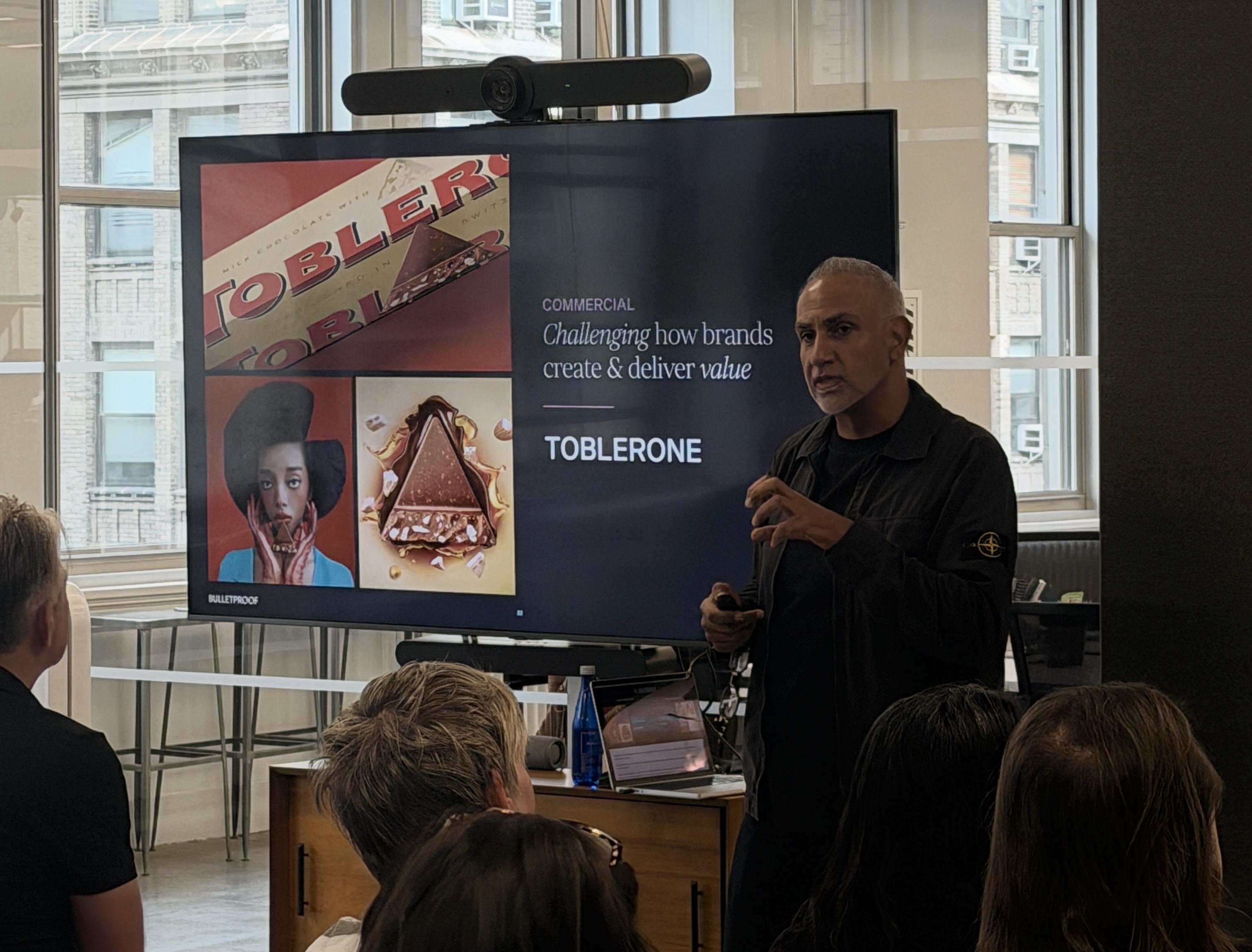
Rather than following the conventions of the chocolate category, the brand leaned into something competitors couldn't easily replicate, demonstrating how commercial opportunities can sometimes be hiding in plain sight, within the very assets that already make a brand distinctive.
2. Creative disruption: Break the codes of the category
Creative disruption is about challenging how a category looks, sounds and behaves to create something impossible to ignore.
Old Spice offers a compelling example. Faced with perceptions of being stale and old-fashioned, the brand broke away from conventional category communications with a bold, irreverent creative approach that captured attention and attracted a new generation of consumers.
It wasn't simply about looking different. It was about finding a distinctive expression that could change how people felt about the brand, proving how creativity, grounded in a clear strategic point of view, can make even the most familiar brands feel relevant again.
3. Cultural disruption: Build relevance through unexpected associations
Cultural disruption is about finding new ways to connect with people's lives, interests and aspirations, often by stepping outside the conventions of your own category and into unexpected cultural spaces.
Take KFC x Crocs. An unlikely collaboration that turned fried chicken into fashion with limited-edition, chicken-scented footwear, taking KFC beyond fast food and into streetwear culture. Or Van Leeuwen x Kraft, which brought two American comfort-food favourites together in macaroni-and-cheese flavoured ice cream.
These unexpected collisions challenge perceptions of where a brand belongs, creating fresh reasons for people to engage, talk and participate. Sometimes, the most powerful way to build cultural relevance is to show up where nobody expects you.
Distinctiveness is a Business Strategy
What connects Toblerone, Old Spice and these unexpected cultural collaborations isn't a shared creative formula. Quite the opposite.
Each brand found its own way to challenge convention, grounded in what made it distinctive and what its category demanded.
And that's the point. There's no universal playbook for standing out. What works for Toblerone might not work for Old Spice. And what makes a collaboration culturally relevant could be entirely wrong for another brand pairing.
The opportunity isn't simply to be louder, bolder or more provocative. It's to make deliberate strategic choices about where to disrupt and what to protect.
Because distinctiveness isn't just a creative ambition. It's a commercial imperative.
The Biggest Risk? Playing it Safe.
If there's one thought we wanted everyone to leave our Uncomfortable Breakfast with, it's this: the middle is not a safe place to be.
As AI, automation and optimisation continue to reshape the industry, brands face an uncomfortable choice. Follow the same conventions as everyone else, or have the confidence to challenge them.
But perhaps the more uncomfortable question is this: are we creating the conditions for original ideas to thrive, or are we the very reason they never survive?
Because breaking free from the middle isn't simply about demanding braver creative work. It's about having the conviction to make different choices, challenge familiar thinking and protect the ideas that make brands worth choosing.
And that doesn't mean tearing up everything that came before. It means knowing what makes your brand distinctive, understanding what's holding it back and finding the courage to act.
In a world demanding reinvention, the greatest risk isn't standing out.
It's disappearing into the middle.