Luxury is Dead. Long Live Luxury.
The mechanics of brand desire have fundamentally shifted. Here are five principles for building luxury brands in an age of belonging.
For decades, the engine of luxury was remarkably simple and effective. Scarcity created desire. Ownership converted that desire into status. Visibility then amplified it at scale, sowing more desire.
To own what few could and display it publicly carried social currency and reinforced its value. For decades, this simple dynamic powered the category.
And while the engine still exists, it no longer drives culture with the same force it once did.
Today, luxury has never been more obtainable.
Take a quick scroll through TikTok and you’ll find Birkin bags lined up on the kitchen counter like everyday groceries, ultra-rare sneakers unboxed like trading cards, and collector-grade whisky explained in 30 seconds like a recap of the latest Netflix binge.
The objects of desire once reserved for private appointments and back-room pulls now circulate endlessly through our feeds while resale platforms have reduced once-unreachable grails into searchable inventory.
At the same time, imitation has become part of the ecosystem itself. Dupes, counterfeits, resale markets, archive accounts, and styling content have made the visual language of luxury easier to access and reproduce, regardless of who actually ownsthe original.
The old luxury playbook is weakening under the weight of its own exposure. Not because desire has disappeared, but because the mechanics of desire have fundamentally shifted.
Desire is increasingly driven not by possession of luxury goods, but by participation in the worlds luxury brands create.
Not everyone gets the invite, understands the reference, or has access to the group chat. A new status layer has emerged.
Those objects of luxury still matter of course, but today, they function less as a destination and more as a doorway.
The rarest luxury today is admission into a larger ecosystem of meaning and belonging: the shared rituals, insider lingo, trusted recommendations, and familiar faces. The feeling of being part of something with its own codes, relationships, and social gravity.
Because ultimately, people aren’t just searching for status. They’re seeking kinship.
This shift becomes even more pronounced among HNWI and UHNWI audiences.
When everyone in the room can acquire any object, ownership alone ceases to function as a meaningful differentiator.
Instead, what becomes valuable are the forms of access wealth alone can’t guarantee: trusted circles, curated environments, gated knowledge, and communities where recognition is earned rather than purchased.
At this social strata, luxury is defined less by visibility and more by intimacy. For this audience, being welcomed into the world around the object holds infinitely more value than being seen with it.
While the mechanics of desire may have shifted subtly, the implications for luxury brands are profound.
If luxury’s future belongs to the world-builders, then the question becomes: what makes a world worth belonging to?
The strongest luxury ecosystems tend to share the same foundational components:
1. Turn devotion into ritual.
The strongest luxury worlds create rituals and tentpole moments devotees organise their lives around.
Every fall, the release of Pappy Van Winkle transforms bourbon culture into a coordinated cycle of anticipation. Limited allocations trigger waitlists, lotteries, overnight lines, bar announcements, trading forums, and carefully planned gatherings built around the chance to secure a bottle. The release isn’t just a product drop, it’s a recurring cultural moment.
And the ritual doesn’t end with acquisition. Bottles are opened slowly, intentionally, and ceremonially — shared among close friends, brought out for milestone moments, or reserved for the people deemed worthy of sharing it. Knowledge of vintages, proofs, pours, and provenance becomes its own social language.
The whisky may create the initial desire, but the repeated behaviours and rituals around release, pursuit, and shared tasting are what transform fandom into kinship.
2. Reward signals insiders recognise instantly
The most powerful luxury signals are the ones understood immediately by the right people.
Brands like The Row have built enormous cultural cachet through details subtle enough to disappear to outsiders entirely: a Margaux bag silhouette, a pleated-toe loafer, the precise drape of a trouser, or the absence of visible branding altogether.
Recognition comes through fluency rather than visibility. Understanding the reference carries more cultural value than broadcasting it openly.
Within modern luxury culture, discernment itself has become part of the signal.
3. Foster a lexicon communities want to speak
Every strong cultural world develops its own language: references, shorthand, and coded terminology that help communities recognise one another instantly.
Porsche enthusiasts don’t just share a love of cars, they share a vast language — chassis codes, trims, acronyms, historical references, and insider shorthand that outsiders often struggle to decode.
That lexicon only grows across online collector forums, social feeds, and in-person gatherings like Monterey Car Week where shared fluency strengthens familiarity between participants.
Knowing how to speak the vernacular of the subculture deepens the feeling of belonging within its world.
4. Cultivate destination-worthy spaces that inspire pilgrimage
Luxury communities grow stronger when devotes have environments designed for connection, participation, and return.
Clase Azul’s Casa de los Leones in Mexico City and expansive new Hacienda in Jalisco reflect this shift. These spaces combine hospitality, art, architecture, storytelling, and private experience into an environment that invites visitors deeper into the brand’s cultural world.
Guests don’t visit to simply purchase ultra-premium tequila, they come for access to atmosphere, conversation, hospitality, and a sense of immersion that extends far beyond the product itself.
The most influential luxury spaces now operate as social and cultural infrastructure as much as retail environments.
5. Weave mythologies people want to participate in
The most enduring luxury brands build mythology around the product, giving people stories, symbols, and rituals they want to participate in themselves.
Few examples illustrate this better than the Hermès Birkin, where the object has become inseparable from the lore surrounding it: the elusive offer, the relationship with a sales associate, the whispered strategies, the years-long pursuit, and the feeling of finally securing a modern grail.
The experience resembles a carefully guarded quest complete with gatekeepers, folklore, insider knowledge, and stories collectors trade like modern legend.
Ownership carries meaning here because the mythology surrounding the bag already feels more vast than the object ever could.
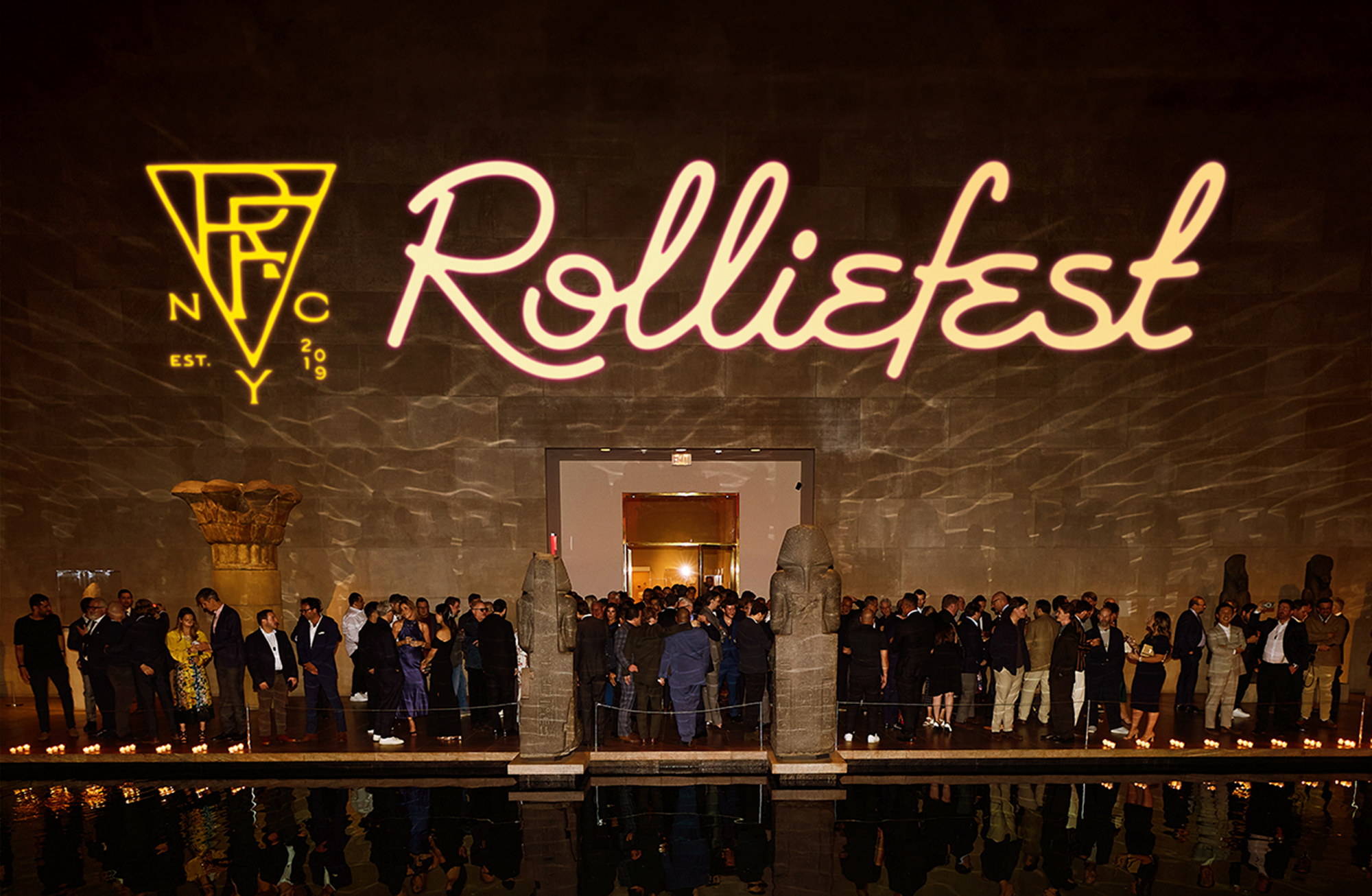
Rolliefest offers a clear example of what modern luxury looks like when these principles operate in concert.
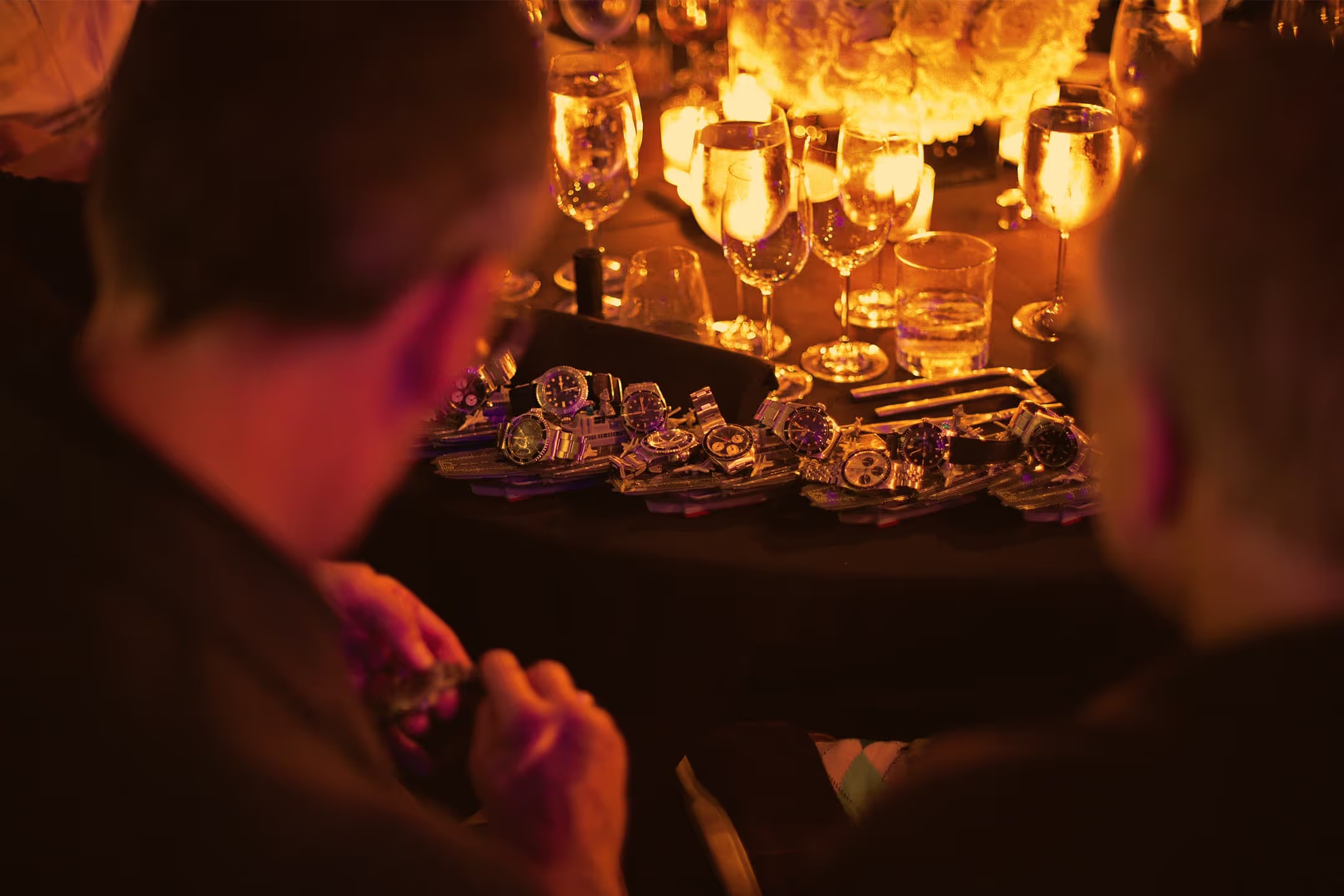
On the surface, it’s a gathering built around exceedingly rare collectible timepieces, but the real value isn’t just access to the watches themselves, it’s access to the social scaffolding built up around them.
The event succeeds because each of these dynamics reinforces the others. Rituals transform collecting into ceremony. Symbols create instant recognition between the insiders. Common language strengthens community through a shared understanding of their world.
And because collectors travel across continents to participate, the event becomes a form of pilgrimage.
Together, these forces transform watches from investment pieces into repositories of lore and cultural artifacts shaped by the mythology of pursuit, provenance, and personal meaning.
And in a world where trust in institutions has eroded, we spend less time with one another, and our existence has become more public, performative, and visible than ever before; Rolliefest delivers what modern life struggles to provide: trust, privacy, and time away from the feed.
And in doing so, it enables something even more valuable: recognition, intimacy, and a sense of belonging that can only come from being among kindred spirits.
The future of luxury will not be defined by the brands that simply manifest the most desire, but by those capable of cultivating the deepest sense of belonging around it.
The old luxury model gave people things to buy and boast about.
The new playbook gives them something to believe in and belong to.